When a triangle still needs another touch
12 March 2026
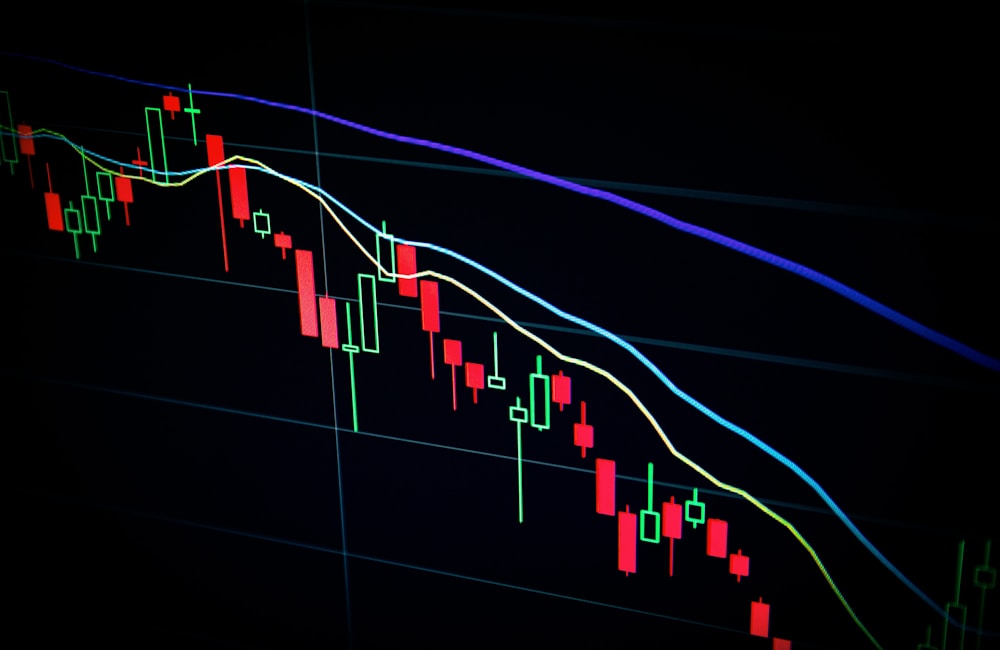
In classical chart pattern recognition, a triangle earns its name through repeated contact with converging boundaries. Two touches feel persuasive on a bright screen. At the Bindera table we still wait.
What counts as a touch
A touch is a clear reaction from a boundary that other observers can mark without squinting. Wicks that barely graze a line may be noted, but they do not always satisfy the classical requirement for a well-defined side. Students often disagree; that disagreement is the lesson.
Apex pressure is not a signal
As price drifts toward the apex, the range shrinks and opinions grow louder. We treat that pressure as a reminder to prepare invalidation levels, not as permission to invent a break early. Volume usually contracts inside a classical triangle; a sudden expansion without a boundary break still leaves the pattern unfinished.
Classroom drill
We hand out the same unmarked weekly chart and ask each person to count touches before speaking the pattern name. The spread of answers is rarely zero. Hearing that spread teaches humility faster than any slide.
If you want structured practice with these drills, the Classical Pattern Recognition Workshop is built around them.